How to survive and thrive as a solo player in Rust without a clan
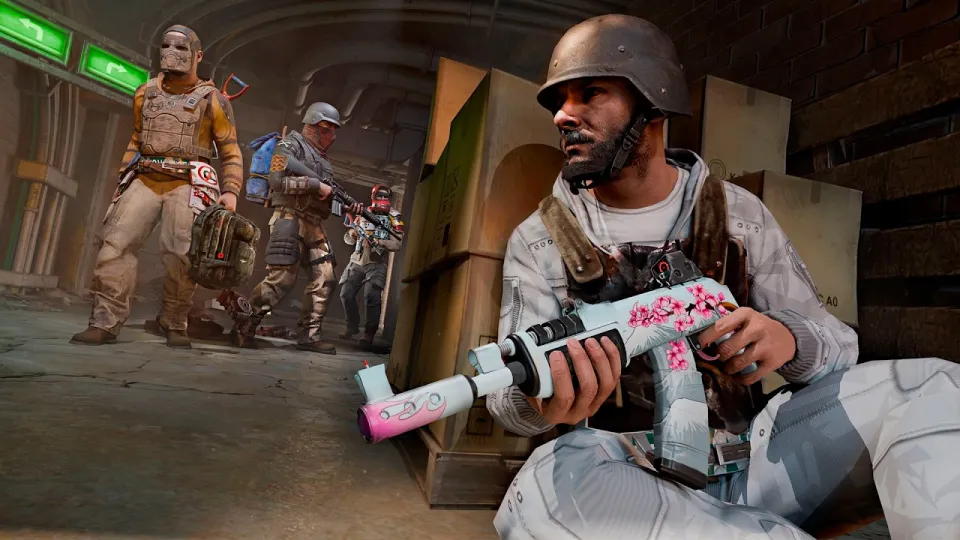
Video: THE SOLO MENACE – Rust
Want articles like this for your own video to promote it on YouTube and Google? Order them through the Telegram bot @sat_sit_bot. It writes articles around your video, embeds the video and publishes them on popular niche websites (no ads). Try it free: 50 articles on us.
· based on the channel SPiiCY
Playing Rust solo means accepting that every job on the server is yours alone: you farm your own stone, build your own base, scout your own neighbours and defend your own loot at 3 a.m. The way to survive is to treat the wipe as a series of small, cheap, replaceable steps rather than one big gamble, and to use tools like the RustEasy bonus available through this link to smooth out the early grind. A solo player who builds small, upgrades early and picks fights on their own terms can outlast groups many times their size.
What makes solo Rust different from clan play
A solo player is a one-person clan, which changes every decision on the server. Groups split labour: one player farms, one builds, one roams for PvP and one keeps the furnaces running. Alone, you have to sequence those jobs, and any hour spent roaming is an hour your base is not growing. The practical consequences are:
- Footprint over size. A base that is hard to find and cheap to replace beats a large compound that advertises loot.
- Time-boxed sessions. Decide before you log in whether the session is a farming run, a build run or a PvP run, and stick to it.
- Information advantage. Knowing who lives around you matters more than raw aim, because you cannot win a straight 1v4 against a zerg.
- Replaceable kits. Never carry a kit you cannot rebuild within 30 minutes; that rule alone prevents most tilt.
- Offline risk management. Log out with loot split between stashes and your core, never all in one room.
Solo play is not a handicap mode; it is a different economy where caution and preparation substitute for numbers.
How to design a solo base that survives a raid
The best solo base is a small, layered structure that forces raiders to spend more explosives than the loot is worth. Popular solo designs in the current meta follow the same logic: a 1x1 or 2x1 core with an airlock, a honeycomb of cheap stone or wood around it, and a separate, obvious decoy room holding junk loot. Key principles:
- One entrance, multiple doors. Every doorway is an extra explosive charge or a lockpick delay.
- Upgrade the core first. Sheet metal or armored core walls pay off far more than a large wooden shell.
- Keep the tool cupboard protected but accessible. A TC inside the honeycomb, not in the open, prevents easy griefing.
- Build away from monuments and roads. High-traffic areas attract roamers and raiders.
- Store loot vertically. Spread boxes across floors so a single breach does not expose everything.
SPiiCY's solo video showcases exactly this style of compact build, and the base design tutorial linked in the description is the reference for players who want the exact layout rather than a general principle.
Progression priorities on a fresh wipe
On a fresh wipe, the first two hours decide the rest of the week for a solo player. A workable order of operations is:
- Secure a sleeping bag and a small starter base near a low-traffic monument, not in the open.
- Build a Tier 1 workbench and two furnaces before upgrading anything else.
- Craft a reliable early weapon (a crossbow or compound bow, then a revolver or pipe shotgun) and enough ammo to defend a farm run.
- Farm scrap in short, repeatable loops rather than one long expedition that risks your whole haul.
- Upgrade the core to sheet metal as soon as you have the metal fragments, then honeycomb outward.
- Push to Tier 2 only when your base can absorb losing a kit.
Solo progression is slower than group progression, so the goal is not to keep pace with zergs but to stay off their radar while you build a base worth keeping.
Raid defence and revenge raids as a solo player
Defending a raid alone is about preparation, not heroics. Useful habits include keeping a stash of building materials and a repair tool inside the core, placing shotgun traps and flame turrets behind doorways, and having a second spawn point outside the base so you can re-enter from an unexpected angle. When you are online and hear the first explosive, the correct response is usually to hold an angle inside rather than rush outside into a group.
Revenge raids are the other half of solo life. They work best under three conditions: you know where the raider lives, they have already spent their explosives, and you can hit them before they move the loot. A quick counter-raid on a weakened neighbour often returns more than the original loss, and it sends a message that raiding you is expensive. Timing matters more than gear; a revolver and a satchel charge used within ten minutes of being raided beat a perfect plan executed the next day.
Common questions from solo players
Viewers of solo Rust content tend to raise the same practical doubts, and they usually come down to settings and server choice rather than skill. On performance, many players report large frame-rate gains from tuning tools such as Hypertune, which SPiiCY promotes in the video description; smoother frames matter in Rust because recoil control and tracking depend on consistent input. On servers, high-population officials feel empty of roamers because most players are inside bases farming, while smaller community servers produce more frequent encounters. On base builds, the recurring request is for a step-by-step tutorial rather than a highlight reel, which is why the Patreon membership exists. On solo versus group play, the consensus is that solo is harder to learn but far more rewarding when a plan comes together.
Tools and links from the video
- RustEasy bonus and registration: https://rseasy.com/spiicy
- Base design tutorial and Patreon membership: https://www.patreon.com/c/spiicyrust/membership
- Alternative Patreon join link: https://www.patreon.com/join/spiicyrust
- Hypertune FPS booster: https://hptn.gg/spiicy
- Community Discord: http://discord.gg/HZjW3RYMGA
Final thoughts on playing Rust alone
Solo Rust rewards patience, small bases and fast decisions more than raw mechanical skill. Build compact, upgrade your core early, keep kits replaceable and treat every raid as an opportunity for a counter-raid rather than a reason to quit the wipe. The gameplay in SPiiCY's solo breakdown shows how a single player can stay competitive against groups by controlling information and timing instead of numbers. If you want to start your next wipe with an edge, grab the RustEasy bonus through SPiiCY's link before you log in.
Key takeaways
- Solo Rust means doing every job alone: farming, building, scouting, PvP and raid defence, with no one to cover your back.
- A compact, layered solo base with airlocks and a small footprint is the single biggest survival factor against zergs and raiders.
- Progression on a fresh wipe should prioritise a workbench, a furnace setup and a Tier 1 weapon before any cosmetic building.
- Revenge raids work best when launched quickly against a raider who has already spent explosives and is carrying loot.
- SPiiCY's solo gameplay video 'THE SOLO MENACE' was published on 24 August 2026 and includes a base design breakdown via Patreon.
- RustEasy offers a bonus through the link https://rseasy.com/spiicy for players setting up their accounts.
Source: THE SOLO MENACE – Rust · Markdown version
Questions & answers
Is Rust playable solo in 2026?
Yes. Solo Rust is harder than group play but entirely viable if you build a compact, layered base, upgrade the core early and avoid fights you cannot choose. The main adjustment is sequencing your farming, building and PvP time instead of doing all three at once.
What is the best solo base design in Rust?
A small core of one or two foundations surrounded by cheap honeycomb, with a single entrance and multiple doors, performs best. Spread loot across floors, keep the tool cupboard protected inside the honeycomb and place the base away from monuments and main roads.
How do I stop a zerg from raiding my solo base?
You cannot stop a determined zerg, but you can make the raid unprofitable. Keep the loot value low relative to the explosive cost, use decoy rooms, place traps behind doorways and log out with valuables split between stashes and the core.
Does FPS affect Rust PvP performance?
Yes. Stable, high frame rates improve recoil control and tracking, which matters in every fight. Players commonly use tuning tools such as Hypertune, which SPiiCY links in the video description, to reduce stutter and raise frame rates on mid-range hardware.